Anatomy of a cyber-attack

It is hard to operate in cyberspace without leaving a trail. The September 25th cyber attack on deproxfraud.info, and whistleblower Richard Marsh’s personal Facebook, Google, Gmail, Twitter, Dropbox, Vimeo, WordPress, YouTube and Twitter accounts shows a particularly grubby set of fingerprints that the Norfolk CID will doubtless be familiar with…

Richard Marsh is resident in Saskatchewan, Canada, and has been since January 2017. Thus when social media sites detected “persons unknown” logging in to the administration areas of his websites and pages from locations in Norfolk UK, they automatically sent out Security Alert emails to the page or website owner.

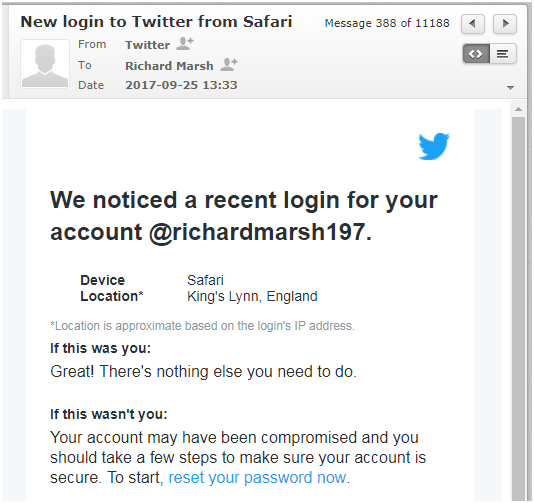
From the flurry of security alerts received on the 25th and 26th September, an exact timeline of the hacker’s activity can be constructed. Note that the email times are for Saskatchewan, which is 7 hours behind the UK. The hacker started by illegally accessing Richard’s Twitter account at 20.33 from a location in King’s Lynn, Norfolk. This generated the security alert below at 13.33 Saskatchewan time.

fentiman hack

September 25th, 2017

13.33 Twitter new login from King’s Lynn, Norfolk

13.40 Facebook password reset

13.47 Twitter password reset

13.54 Twitter email address changed

14.34 WordPress (deproxfraud.info) email address changed

15.22 Vimeo account deleted

15.23 Gmail account security alert: Sign in from a Blackberry device in the UK

18.31 Dropbox account accessed from Terrington St. Clement, Norfolk

19.33 New email address “rubbish@sasktel.net” added to LinkedIn account

September 26th, 2017

01.58 Romer Photonics Company page removed from LinkedIn

05.16 Facebook account login from Whittlesford, UK

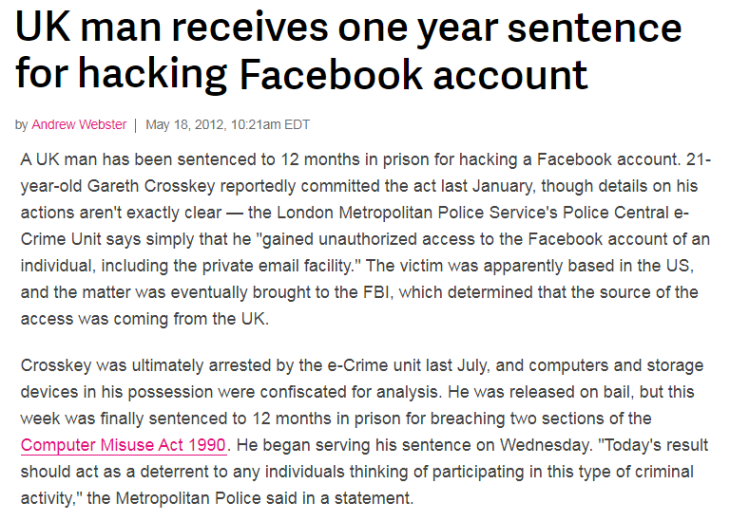
The directors of Hygiene Solutions Ltd and their partners in crime might like to contemplate the fate of young Gareth Crosskey, who was sentenced to a year in prison for hacking a Facebook Account.

fentiman hack facebook

If you can’t beat them…

…cheat them!

Trials in real hospital environments present the most accurate and convincing measure of the comparative efficacy of the various area decontamination systems offered. Highly qualified microbiologists go to great lengths to ensure that both the environment in the rooms and the test organisms are matched as precisely as possible for the different systems being compared, and that the tests are as far as possible closely representative of genuine hospital situations.

It is obvious that these tests are only meaningful if the decontamination systems under test are also operated exactly as they would be in everyday use, i.e. using the same methods and timing as the manufacturer recommends.

Unfortunately, a small minority of manufacturers are prepared to abuse the trust of the scientific community, and deliberately move the goalposts to give their equipment an unfair advantage.

A recently published comparative test of the Surfacide versus the Ultra-V UV-C systems, conducted by the UCLH Clinical Microbiology Lab is a sad example of this deceitful and unfair practice. As might be expected of the UCLH, the preparation of the rooms and the microbiological testing was done carefully and thoroughly. The test however was sabotaged by Ultra-V manufacturer, Hygiene Solutions Ltd, who rather than operating their machine in line with their published procedures, instead took the following measures in an attempt to cheat the competition of a fair outcome:

  1. They extended the exposure time four fold, from the claimed 20 minutes to over 80 minutes.
  2. They repositioned the unit several times during each process – contrary to their published claim that the unit will decontaminate a whole room from a single central location.

The Surfacide system, meanwhile, was operated exactly as the manufacturer describes – without relocation, and with the exposure set by the integral measuring system.

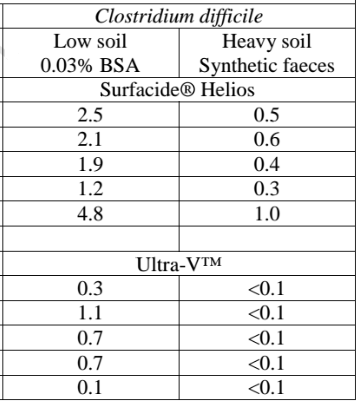
In spite of this grossly unfair advantage, the Ultra-V still gave a significantly inferior performance to Surfacide – particularly in respect of C. difficile spores, where the following log reductions were obtained:

IPS Infection Prevention 2017 #IP2017 Ultra-V Surfacide C difficile

For C. difficile with low soiling, the Ultra-V in spite of its unfair advantages, averaged a log reduction of just 0.58 as compared with Surfacide which averaged a useful, if not dramatic, log 2.5.

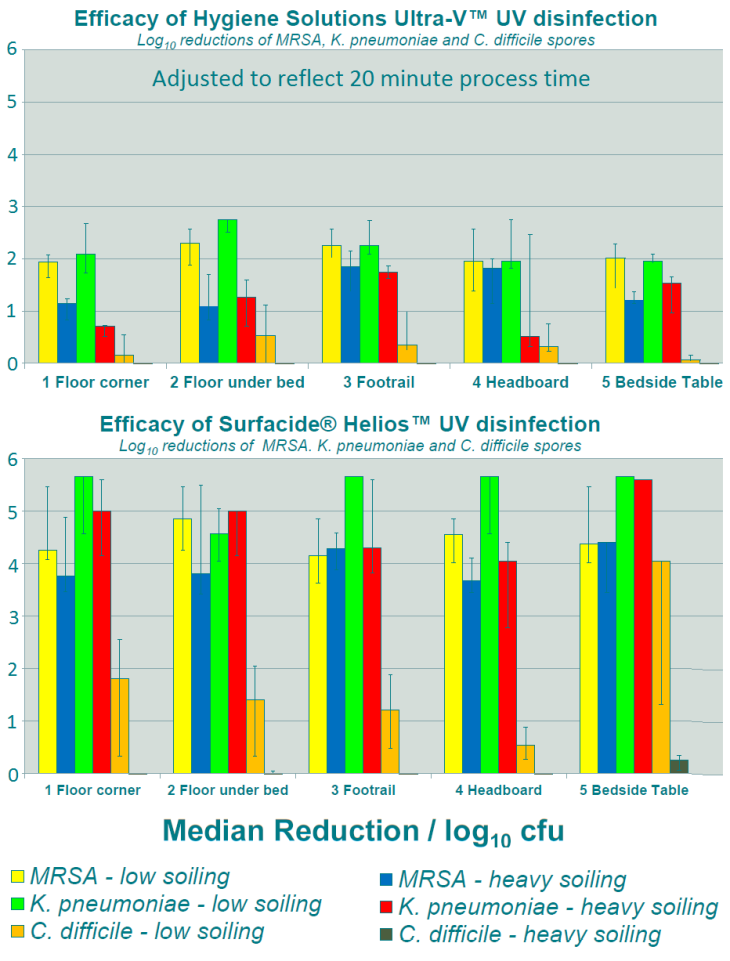
What then would the results of a FAIR test have been? Or in other words, what can we expect the Ultra-V to achieve in real, everyday use? Numerous studies demonstrate that log reduction with time is essentially linear in the range of log 0 to 5. As Ultra-V is actually only used with a 20 minute rather than an 80 minute exposure, we can expect the log reductions in 20 minutes to be about 25% of the figures obtained in the test.

Replotting the bar graphs from the UCLH poster presentation gives the following comparison, which represents the real relative performance of the two systems:

IPS Infection Prevention 2017 #IP2017 Ultra-V Surfacide C difficile NHS.png

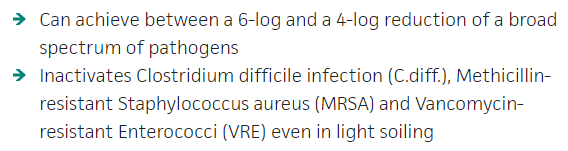
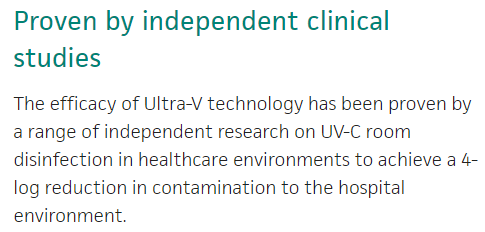
It is clear at a glance that for MRSA, and K. pneumoniae , Ultra-V averages well below log 2, and its efficacy against C. difficile is negligible. However, the Hygiene Solutions website boldly makes the following claim:

Ultra-V

Ultra-V 2.PNG

What independent research is referred to here? – Just ask Hygiene Solutions –  they will send you a copy of the sabotaged UCLH study analysed above…

Whistleblower attacked…again.

Stung by the damning exposure of the Ultra-V’s incredibly poor performance against C. difficile (log0.1 – log1.1) Hygiene Solutions Ltd. director, Rick Fentiman made a further attack in the Regina Court of Queen’s Bench on Friday against whistleblower Richard Marsh.

Fentiman’s lawyer, F. William Johnson QC spoke for almost a hour, on the theme “Corporations have a right to defend their reputation.” Judge The Hon. Brian Barrington-Foote, was not persuaded, and has reserved judgement.

Fentiman is attempting to register a gagging order that would prevent Richard Marsh from disclosing any further information about “Hygiene Solutions Ltd, its directors, employees or Deprox product.”  As a precaution, Richard has put in place a comprehensive backup plan to ensure that deproxfraud.info continues to publish unhindered even if the gagging order is passed.

This contingency plan depends on the fact that the gagging order is specific to Richard Marsh, and limited in its scope to Saskatchewan. The first two elements in the plan have already been enacted:

  • The ownership of the website has been transferred to an anonymous third party in Asia.
  • The Editorship of the site has been transferred to Dr Ecosse, who is not a Canadian resident.

The final element, which will only be put in to effect should the gagging order be allowed, is to transfer authorship of the blog posts to Dr Ecosse. It should be noted that Dr Ecosse has very deep personal reasons of his own to take issue with Hygiene Solutions, he is in no sense acting as an agent, and is certainly not being remunerated for his efforts. Dr Ecosse is also exceptionally well qualified to review and comment on the fraudulent activities of Hygiene Solutions Ltd. from a medical and scientific standpoint.

Whistleblower3 Ultra-V

Once this final step has been taken, deproxfraud.info will continue to publish indefinitely without any input whatever from Richard Marsh, and Hygiene Solutions’ lawyers will have the interesting task of tracking down Dr. Ecosse, who may prove to be rather elusive…

Whistleblower Ultra-V


UCLH test results

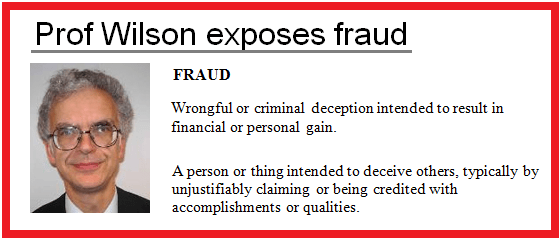
Ultra-V tested by UCLH, exposed as fraud!

Breaking news – in a Journal of Hospital Infection article published August 16th, Prof Wilson of UCLH shows that the Ultra-V UV room disinfection system takes a whopping 1 hour and 19 minutes to achieve even BASIC levels of decontamination, requires multiple re-positioning of the unit during the cycle, does NOT decontaminate shadowed areas, and is particularly ineffective against C. difficile spores. (log 0.1 to log 1.1)

MEANWHILE – Hygiene Solutions claim a 20 minute cycle time, NO re-positioning, and log 4 to 6 efficacy.

FULL ANALYSIS TO FOLLOW – WATCH THIS SPACE!

Gordon’s story

Deprox2

Gordon’s Story

Gordon Cunningham started working for Hygiene Solutions early in 2013, building and servicing the Deprox machines, as well as operating the system in hospitals across the UK. He noticed that at the end of a decontamination process, the treated rooms often still had a visible white mist in the air, although the Deprox remote control light indicated that the room was safe to enter. He raised his concerns with company directors Rick and Mark Fentiman, but was told that there was nothing to worry about and that the process was entirely safe. Nonetheless, he requested a respirator and a hydrogen peroxide (H2O2) gas monitor (Draeger) to protect himself when using the Deprox, but his request was ignored.

Gordon, a non-smoker who keeps fit by running and triathlons, began to experience a tender sensation in his throat after being exposed to the Deprox residual vapour. These symptoms progressed to an asthma like feeling of a constricted airway and a hoarse cough.

The business owners, Rick and Mark Fentiman insisted that re-entering a treated room was safe, as long as the H2O2 level was below 5.5ppm. (In fact, the safe exposure level is 1ppm)

Gordon then spoke to the chemist who was working on the Deprox project, David Sempere Aracil. David told him that he should not be entering rooms at 5.5ppm.

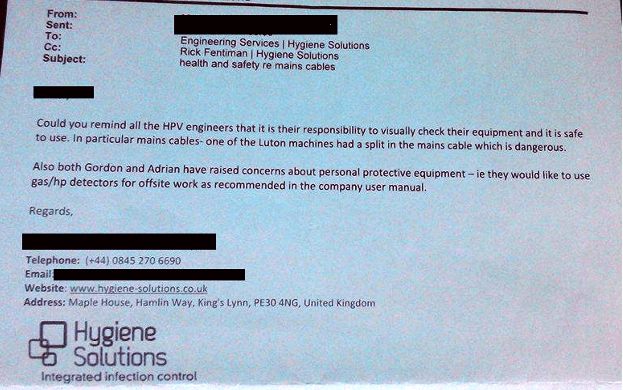
In June 2014, Gordon was asked to spend 3 days operating the Deprox system at the Luton and Dunstable Hospital. Six months had passed since he requested a respirator but his request had not been responded to. When re-entering the rooms, he would try to cover his mouth and get the windows open as quickly as possible, to minimize his exposure. Gordon noticed one of the technicians had a new Draeger H2O2 meter, and he asked how it was operated. The technician explained how to use the meter, and how to set it so that it would sound an alarm buzzer until the gas concentration had dropped to a safe level. Gordon had done some research, so he knew the safe level was 1ppm. Gordon took the Draeger to Luton with him.

On Monday June 2nd 2014 Gordon had two rooms for Deprox treatment at the Luton and Dunstable Hospital. The first room was the equipment library. He set up a Deprox unit in this room, and 1 ½ hours later the green light on the Deprox remote control lit, indicating that the room was safe to enter. He un-taped the door, and followed the instructions from the technician, used the Draeger to check the gas concentration – it was 7.8ppm. Gordon left the Draeger in the room and taped the door closed again. Further to the technician’s instructions, there will be a continuous alarm tone until the safe level of 1 ppm was reached, the room will then be safe to enter.

Later in the day, some hospital staff wanted access to the library to get some equipment. Gordon explained that it was not safe to enter until the Draeger had indicated a safe level.

Four hours after the process had completed, the room was still inaccessible, as the Draeger was still giving an alarm tone. Gordon was summoned to the office of Camilla, head of Domestic Services. Camilla demanded to know what the problem was in the library, pointing out that in the Hygiene Solutions Deprox literature the “deactivation” cycle is only 90 minutes, and that they never normally had to wait longer than that. Gordon explained about the Draeger, and that the equipment library was not yet a safe environment.

A little later Gordon was summoned to the office again, and told that “Your boss, Mark Fentiman is on the phone, and says you are to take the Draeger out of the library immediately.” Mark Fentiman then phoned Gordon directly and ordered him to remove the Draeger and open up the library to the hospital staff.

Gordon un-taped the door and entered the room. The H2O2 level according to the Draeger was at 4.3ppm, well above the safety limit. Gordon removed the Draeger and opened up the room, telling the hospital staff to wait as long as possible to let the gas disperse.

Hygiene Solutions told the hospital that Gordon was using equipment that was not calibrated, and that he had not been trained on, and that the gas levels in the room had been completely safe. In fact, the meter was freshly calibrated, and Gordon has copies of the all calibration certificates to prove it.

Other staff members, including Tim Murrell, the Deprox patent holder, witnessed Mark Fentiman’s fury at the news. Tim said he had “never seen someone so angry” as when Mark found out that Gordon had taken a Draeger to Luton.

Gordon lost his job that week. The other staff at Hygiene Solutions were told it was because he used an uncalibrated meter without permission.

Gordon still suffers from respiratory problems as a result of his exposure to the Deprox fog. It may well be that inhaling the combination of hydrogen peroxide and silver nitrate has caused irreversible damage to his trachea and lungs.
Deprox

Comments

Update: http://www.deproxfraud.info achieved 40,000 views as of this afternoon, and now ranks higher on Google than Hygiene Solutions’ own website!
Silver Nitrate

After two years of misinformation, deceit and outright lies, fake “Cambridge graduate microbiologist” Rick Fentiman has to admit that his Deprox process leaves hospital rooms and equipment contaminated with highly toxic silver nitrate dust. A recent investigation at the University College London NHS Trust revealed the following figures:

  • Silver Nitrate content of Deproxin solution: 10 – 25mg/l
  • Silver Nitrate deposited on room surfaces after a single cycle: 1.5 – 2.5mg/m2

An independent test of the same parameters by Butterworth gave similar results:

  • (Deproxin) Silver expressed as Ag (by Plasma Emission Spectroscopy) 51.0mg/l
  • (Deproxin) Nitrate expressed as NO(by ion chromatography)  35.1mg/l

Surface deposits after single cycle:

  • (Surface) Silver expressed as Ag (by Plasma Emission Spectroscopy) 2.5mg/m2
  • (Surface) Nitrate expressed as NO(by ion chromatography) 1.8mg/m2

Silver nitrate is persistent in the environment, and will build up cumulatively each time a room is processed. The permitted level of silver nitrate dust in the air is vanishingly small. The legal maximum is 0.01mg/m³ –  250 times this amount of the chemical is deposited on each square metre of surface per process! 

This presents a particular danger to hospital staff making up the bed after a Deprox process – laying down the mattress and placing sheets will disturb clouds of the fine dust at very hazardous levels. Staff should certainly be provided with appropriate respiratory equipment for this task, and silver nitrate dust levels should be monitored before readmitting patients. 

Rooms that have become heavily contaminated by multiple processes may need decontaminating by Hazchem professionals.

Silver Nitrate deposits at the Royal Liverpool Hospital

capture

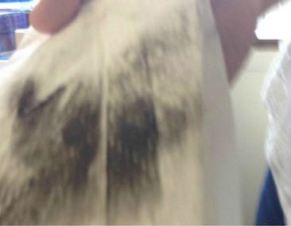
Isolation rooms at the Royal Liverpool University Hospital have become so heavily contaminated with silver nitrate that patients have complained, mistaking the black deposits on the windows for dirt. Director of nursing Lisa Grant admitted that the Hydrogen Peroxide Vapour (HPV) bio-decontamination system leaves a “sterile residue” but was apparently unaware that it is silver nitrate. The photo above was submitted to The Liverpool Echo by a patient who attempted to remove the chemical with a tissue. There is enough silver nitrate on the tissue to cause unpleasant chemical burns to the skin. Even more seriously, the AgNO3 dust levels in the room must have been far in excess of the legal maximum, which is an invisibly small 0.01mg/m³ – that’s 1/100,000th of a gram per cubic metre of air.

Rick Fentiman

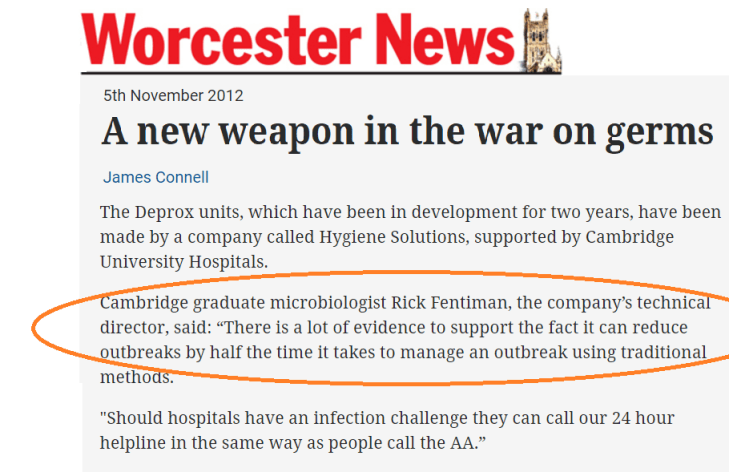
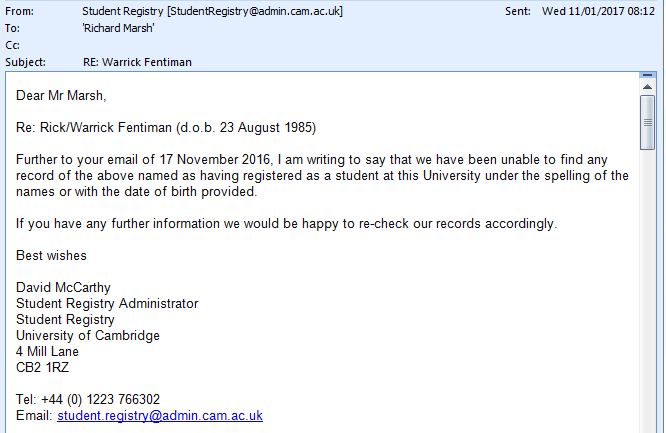
Rick Fentiman claims to be a "Cambridge graduate microbiologist"

Wilson’s JHI Letter

Deprox Hygiene Solutions

In a letter published today in the Journal of Hospital Infection, Professor Peter Wilson and colleagues report on their retesting of the Deprox (Hygiene Solutions Ltd) HPV decontamination system. The retesting was in response to concerns widely raised that the earlier tests of the system, which purported to give a log 6 efficacy, were the result of the manufacturer misrepresenting the concentration and/or constituents of the Deproxin solution.

In brief, the retest reveals the following:

  • The efficacy of the system, when using the correct 5% H2O2 solution, is around log 4 – similar to other, much less expensive fogging systems on the market. Hygiene Solutions Ltd will now be taxed to explain why on the initial test by Prof. Wilson, a log 6 efficacy was found. This 100 fold drop in efficacy comes between the first test series, in which the solution concentration was not checked, and the second series in which the concentration was independently measured. It seems highly likely that in the initial test series, the Deprox was running on a 30% H2O2 solution, rather than a 5% H2O2 solution as claimed.
  • The aerial H2O2 concentration on re-entering the room at the end of the cycle was 3.3ppm which is in excess of both short term and long term H2O2 exposure health limits. This is in spite of a hasty retrofit of catalysts to the whole Deprox fleet, and the manufacturer’s claim that their system monitored the H2O2 levels, and would only allow re-entry when the level was below the 1ppm safety standard.
  • Deproxin is confirmed to contain 10-20ppm silver nitrate, and this is indeed deposited on surfaces in the room, and may well be a contributor to the efficacy achieved. Hygiene Solutions informed the HSE over a year ago that Deproxin does not contain silver nitrate. This has now been exposed as untrue – and raises the question as to whether it is currently legal to sell or use the Deprox system.
  • Poor efficacy results for two more sheltered locations is attributed to inhomogeneous vapour distribution, due to inadequate circulation of the vapour. This raises serious doubts as to Hygiene Solutions’ claims that the Deprox will decontaminate “inside small crevices and complex equipment”

It is very much to the credit of Professor Wilson and colleagues that they have thoroughly retested the system in response to widespread concerns. It is sad that commercial interests would abuse the trust and confidence of highly qualified academics in this way by misrepresenting the basic test parameters.

For those without access to the Journal of Hospital Infection, I have reproduced the letter below, and a PDF is downloadable here.


Sir,

In response to the letter from Dr Singh commenting on our paper.[1], [2]

The objective of our study was to evaluate the reductions in environmental contamination during in-use operation of two commercially-available hydrogen peroxide whole-room disinfection systems.2 Both manufacturers agreed test parameters prior to the trial to ensure methodology followed manufacturer instructions. Our findings suggested similar efficacy of the two systems against both surface contamination and biological indicators of common pathogens. Inocula used on the indicators far exceeded the likely levels seen in the environment.

Additional studies were performed as part of the original work using the same methodology with four strains each of MRSA, Klebsiella pneumoniae, Clostridium difficile spores and Acinetobacter baumannii. Three HPV decontamination cycles were evaluated for each system. Of 305/320 samples, >4-log10 reduction was achieved.

Aerial concentrations of hydrogen peroxide and relative humidity were monitored continuously during a further 6 cycles of both systems using a sensor (C-16 Portasens II Gas Detector; Analytical Technology Inc., Collegeville, PA, USA). In addition, horizontal surfaces in the near-patient vicinity were swabbed and analysed to detect fallout of silver and nitrate at the end of HPV decontamination cycles (n=3). Surfaces were swabbed and analysed for silver by titration (Silver Test Kit, DTK Water, Wellingborough, UK) and nitrate using Quantofix semi-quantitative test strips (Macherey-Nagel, Düren, Germany).

For the Deprox (Hygiene Solutions, King’s Lynn, UK) system, peak aerial values of 29-46 ppm hydrogen peroxide were achieved with similar bacteriological efficacy as other cycles. The mean level at the end of the cycles was 3.3ppm for 41.8% (30.8-58.1%) mean relative humidity at start of cycles. Silver and nitrate were detected on surfaces at 1.5-2.5mg/m2 following cycles with the Deprox system.

For the Bioquell Q10 system with the R10 aeration unit (Bioquell, Andover, UK), the peak aerial levels of hydrogen peroxide were 450-640ppm. The mean level at the end of the cycles was 0.0ppm with starting mean relative humidity 42.5% (34.5-49.7%). No silver or nitrate was detected on surfaces following cycles with the Bioquell Q10 system.

The aqueous concentration of hydrogen peroxide in a Hygiene Solutions cartridge (Deprox) tested on one occasion at the point of insertion into the machine was 5%. Nitrate was detected in the aqueous solution at 10-25mg/L. The aqueous hydrogen peroxide concentration in the Bioquell Q10 cartridge (Bioquell HPV-AQ) was 35% and no silver or nitrate was detected.

Dr Singh suggests C. difficile spores (but not the other organisms) persisted underneath the bed and on the window frame after decontamination using the Deprox system. The persistence of spores may have been minimised during the Bioquell Q10 cycles by the inclusion of an oscillating fan to facilitate aerial distribution and aid breakdown of hydrogen peroxide vapour.

As Dr Singh suggests, settling of active silver onto biological indicator coupons during a cycle of aerial HPV decontamination may have contributed to the bactericidal/sporicidal activity of the Deprox system. However further studies would be required to elucidate its role.

“They deserve answers” – Theresa May.

rick fentiman

“We have evidence that warnings were ignored and that these products continued to be used despite the warnings and that following the infections…[there was] a cover-up,”  – Andy Evans, chairman of campaign group Tainted Blood

Speaking to the BBC, Mrs May said: “They deserve answers, and the inquiry that I have announced today will give them those answers, so they will know why this happened, how it happened”

These quotations from today’s news refer not to the Deprox, but to the tragic suffering and loss of life from infected blood administered by the NHS in the 70s and 80s. At last, there is to be an inquiry, and the victims’ relatives will know how and why 2,400 NHS patients died.

Meanwhile a disturbingly similar tragedy is unfolding right here and now – and again the NHS turns a blind eye for fear of negligence lawsuits, and the corrupt medical suppliers hastily reap the profits before the mounting evidence of fraud and corruption forces them back to the dark places that spawned them.

The victims – the frail elderly, the cancer patients, the cystic fibrosis sufferers, have no idea that the C. difficile or MRSA infections they have suffered from were preventable. They are assured that the hospital rooms and equipment have been sterilised by the best technology available – the Deprox – which according to the Hygiene Solutions Ltd. website, “…achieves a log 6 reduction of even the most virulent of organisms.”

The truth is in stark contrast to this glib fabrication; – leaked emails and the testimony of former Hygiene Solutions employees prove that the Deprox units are turned up to their maximum output of  RH30 when tested, but in everyday use are turned down to output levels of RH 5 to RH 15 – with directly proportional reductions in H2O2 concentration and germicidal efficacy.

To compound this error, a recent letter published in the Journal of Hospital Infection revealed that most of the tested efficacy of the Deprox process could be attributed to the exceptionally high silver nitrate content of the Deproxin solution – an illegal additive which Hygiene Solutions now claims to have removed.

What residual efficacy remains absent this powerful cytotoxin remains untested and unproven.

The shocking and highly persuasive statistics from the UCLH hospitals, showing a substantial upwards step change in C. difficile rates corresponding exactly with the years of Deprox use, cannot be denied. These are public data sets, and the 75 or so extra infections over this period demand explanation.

We need an inquiry in to the Deprox scandal NOW, while lives can still be saved – not in 30 years time.

U turn…

fentiman churchill

At the Regina Court this morning, F. William Johnson, QC., BA., LL.B., B.C.L. (OXON) representing Specialist Hygiene Solutions Ltd, preempted the proceedings by requesting an adjournment as instructed by his client.

I have no doubt whatever that the unprecedented response to yesterday’s deproxfraud.info post is the reason for this abrupt about-turn.

By the end of the day, that one article had received a staggering 595 hits, and this in spite of the USA being otherwise occupied. The top 5 countries of origin are listed below:

Fentiman visits

A heartfelt thank you to everyone who visited the site, and especially to those who spread the word via social media to achieve this resounding endorsement of the battle against corrupt medical equipment manufacturers.

UPDATE: INTENSE INTEREST IN DEPROX CASE

Since the news of Fentiman’s intended legal action was published, late on July 3rd, the blog posts have received an unprecedented 1349 views, 373 of which were from Australia and New Zealand. At the time of writing, 10.22am July 6th, today’s views are already at 190 and rising fast!

fentiman 4

deproxfraud.info views as of 10.22 am July 6th.